
Manuka Honey for Horses
Manuka honey is renowned for its unique medicinal properties and has gained popularity not only among humans but also in veterinary medicine. One of the fascinating applications is its use in caring for horses lets explores the benefits, applications, scientific foundations, and important considerations when using Manuka honey for horses.
What Is Manuka Honey?
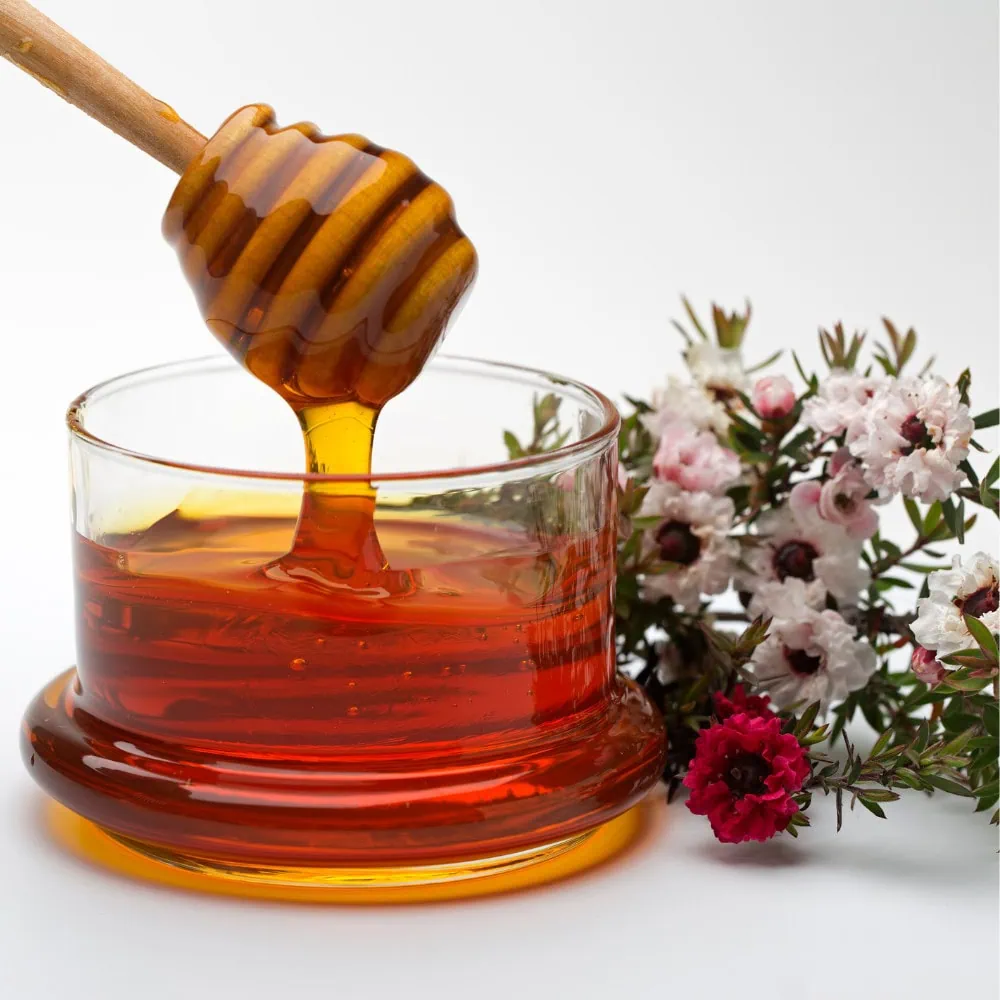
Manuka honey is a special variety of honey produced by bees that pollinate the Manuka bush (*Leptospermum scoparium*), native to New Zealand and parts of Australia. It stands out from other honeys due to its high concentrations of methylglyoxal (MGO), a compound known for its potent antibacterial effects. Manuka honey is also graded using the Unique Manuka Factor (UMF), a system that reflects its antibacterial strength.
Why Use Manuka Honey for Horses?
The unique properties of Manuka honey for horses make it valuable in equine care, particularly for wound management, skin conditions, and digestive health. Unlike regular honey, Manuka honey’s high level of MGO and low pH create an environment that discourages bacterial growth, making it ideal for supporting healing and reducing the risk of infection.
Wound Care and Healing
One of the most common uses of Manuka honey in horses is in the management of wounds and injuries. Horses are particularly prone to cuts, abrasions, and lacerations, often developing complications such as infections or proud flesh (excessive granulation tissue). Its viscous texture forms a protective barrier over wounds, shielding them from contaminants while maintaining moisture balance. Using manuka honey for horses with it’s dual action accelerates healing and minimizes scarring, which is why a tub of Aloe Vera and Manuka Gel should always be handy on every yard.
- Antibacterial Action: Manuka honey is effective against a wide range of bacteria, including antibiotic-resistant strains such as MRSA and *Staphylococcus aureus*. This makes it a useful topical agent for wounds at high risk of infection.
- Moist Wound Environment: The honey helps maintain a moist environment, promoting faster healing and reducing pain.
- Debridement: Its enzymatic properties assist in gently removing dead tissue and debris from wounds, supporting the body’s natural cleaning process.
- Anti-inflammatory Effects: Manuka honey can help reduce swelling and inflammation, which is especially important for horses recovering from traumatic injuries.
- Proud Flesh Management: By creating optimal healing conditions and reducing infection risk, Manuka honey can minimize the development of proud flesh, a common issue in equine wounds, particularly on the lower legs.
Application Methods
Manuka honey can be applied directly to equine wounds in several ways:
- Pure Honey Application: After cleaning the wound, a thin layer of medical-grade Manuka honey can be smeared directly on the affected area and covered with a sterile dressing or bandage. This can be repeated daily or as directed by a veterinarian.
- Impregnated Dressings: Some veterinary suppliers offer dressings pre-impregnated with Manuka honey, providing convenient and consistent application.
- Combining with Other Treatments: Manuka honey is often used alongside conventional treatments, such as antibiotics or anti-inflammatories, particularly in severe or complicated cases.
Clinical Evidence and Studies
Several studies in both veterinary and human medicine support the use of Manuka honey in wound healing:
- Research has shown that wounds treated with Manuka honey heal faster and with fewer complications compared to standard treatments.
- Case reports in horses document successful healing of traumatic wounds, surgical incisions, and abscesses with the use of Manuka honey.
- Manuka honey has demonstrated efficacy in managing chronic wounds and those infected with resistant bacteria.
Additional Uses in Equine Health
Beyond wound care, Manuka honey may benefit horses in other ways:
Skin Conditions
Manuka honey’s antimicrobial and anti-inflammatory properties make it an option for managing minor skin irritations, dermatitis, rain scald, or fungal infections. It can soothe itchy, inflamed skin, and provide a protective barrier against environmental contaminants.
Digestive Health
Some horse owners and veterinarians use Manuka honey for horses to support digestive health, particularly in horses prone to ulcers. Thanks to its antibacterial activity and soothing properties, Manuka honey may help reduce gastric irritation and promote mucosal healing. However, its use for this purpose should be approached with caution, especially in horses with metabolic concerns.
Is Manuka Honey Safe for Horses?
Manuka honey for horses is generally considered safe for external use on horses. However, there are important considerations:
- Medical-Grade Product: Always use medical-grade (high MGO) Manuka honey to ensure purity, sterility, and reliable antibacterial properties.
- Allergies: Although rare, allergic reactions can occur. Monitor the horse for signs of irritation or swelling when first using the product.
- Systemic Use: While topical use is well-supported, oral administration should only be done under professional guidance, especially since honey is high in sugar and may not be suitable for horses with metabolic disorders such as insulin resistance or equine metabolic syndrome.
How to Choose Manuka Honey for Horses
When selecting Manuka honey for equine care, look for:
UMF or MGO Rating: Products with a UMF rating of 10+ or higher, or equivalent MGO content, offer greater antibacterial potency.
Practical Tips for Owners
- Before applying Manuka honey for horses to a wound, clean the area thoroughly with saline or as recommended by your veterinarian.
- Apply the honey generously but avoid contaminating the product by using clean tools or gloves.
- Monitor the wound for signs of improvement, such as reduced swelling, discharge, or odour. If the wound does not improve, or if it worsens, consult a veterinarian promptly.
Limitations and When to Seek Veterinary Advice
While Manuka honey for horses is a valuable tool in equine wound management, it is not a replacement for veterinary care. Deep wounds, punctures, or wounds involving joints and eyes require immediate professional evaluation. Chronic or non-healing wounds may have underlying issues that need to be addressed medically.
Manuka honey for horses offers a natural, effective adjunct to traditional equine wound care, harnessing the healing power of nature to support your horse’s health. Its antibacterial and anti-inflammatory properties make it particularly suited for wounds, skin conditions, and in some cases, digestive support. As with any treatment, it should be used thoughtfully, with attention to product quality and under veterinary supervision where necessary. By combining the wisdom of modern science with the gifts of the natural world, horse owners can provide compassionate and effective care for their equine companions.
Looking for a manuka Honey product for your horse? Aloe Vera and manuka Gel.
