
Aloe Vera for Horses
Aloe vera, often referred to as the “plant of immortality,” has been prized for thousands of years for its healing properties. However, the use of aloe vera for horses in equine care is increasingly gaining popularity. Aloe vera gel, from the leaves, is both versatile and gentle and is used topically for a wide variety of skin problems. Aloe vera juice, from blending and diluting the inner leaf gel, is a natural support for digestive health.
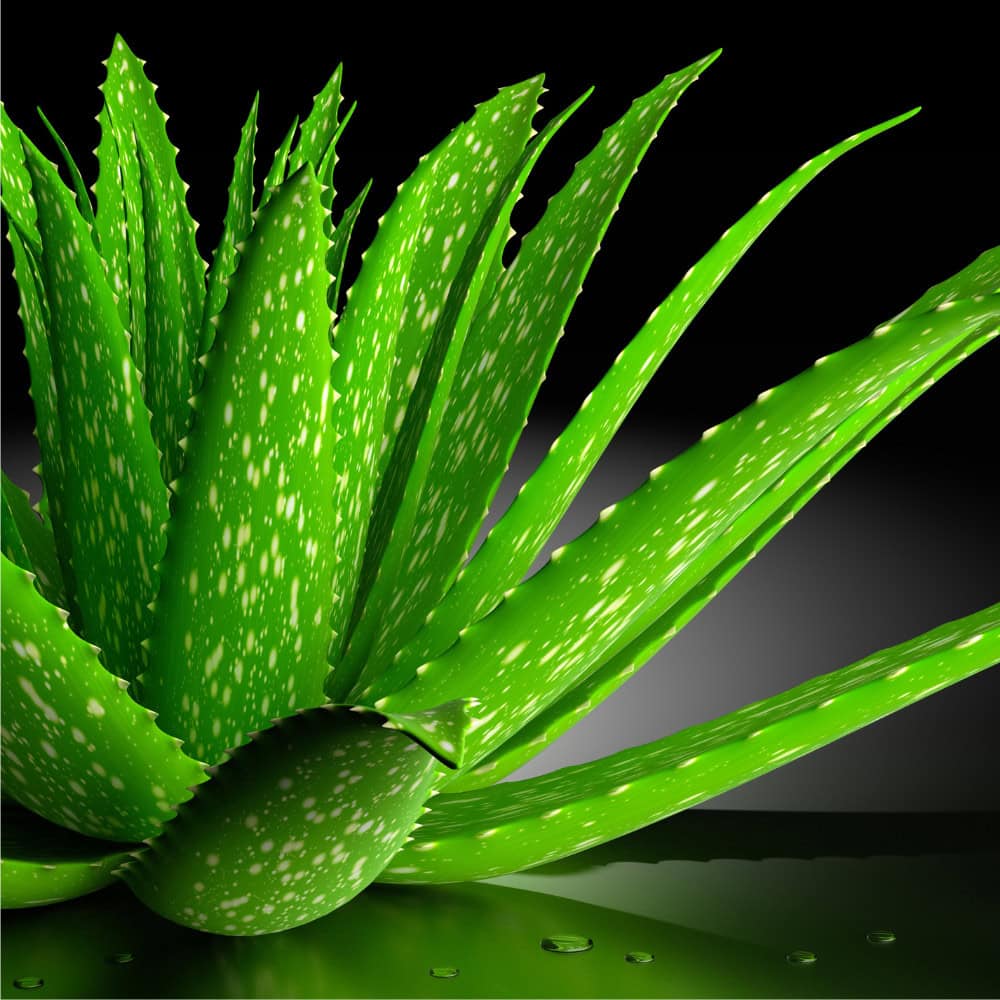
Aloe vera is a succulent plant species of the genus Aloe. It is native to the Arabian Peninsula but grows wild in tropical, semi-tropical, and arid climates around the world. The plant’s thick, fleshy leaves contain a gel that is rich in vitamins, minerals, amino acids, enzymes, and antioxidants. This gel is the key component used for therapeutic purposes.
Key Components of Aloe Vera
Aloe vera contains more than 75 active compounds, including:
- Vitamins: A, C, E, B1, B2, B3, B6, B12, and folic acid
- Minerals: Calcium, magnesium, zinc, chromium, selenium, sodium, iron, potassium, copper, and manganese
- Amino acids: Including seven of the eight essential amino acids
- Enzymes: Such as amylase and lipase, which help break down sugars and fats
- Polysaccharides: Acemannan, a key immune-supportive compound
- Fatty acids: Providing anti-inflammatory benefits
Benefits of Aloe Vera for Horses
Aloe vera’s various properties make it a valuable addition to equine and pet health care. Here are some of its most notable benefits:
1. Digestive Support
Aloe vera juice is widely used to promote gastrointestinal health in horses:
- It can help soothe and support the stomach lining, making it a useful adjunct for horses prone to stomach issues, especially those under stress or on NSAID medications.
- While not a substitute for veterinary care, it can help reduce mild digestive discomfort and maintain gut balance.
- The enzymes in aloe vera can assist better digestion and absorption of nutrients.
2. Skin and Wound Care
Aloe vera gel is a renowned topical application for skin issues:
- Wound care: It can accelerate repair and provide relief for cuts, abrasions, burns and insect bites by cooling and promoting tissue regeneration.
- Its anti-itch properties make it ideal for all kinds of skin irritations.
- Scar minimisation – regular application can help lessen scar tissue formation.
Ways to Use Aloe Vera for Horses
Aloe vera offers flexibility in equine care, as it can be applied topically as a gel, and, when diluted and blended also given as a supplement.
Externally: Aloe vera is widely valued in equine care for its ability to help maintain healthy skin and provide natural soothing. Aloe vera gel serves as a versatile topical aid, promoting skin comfort, hydration and safe, natural care. The gel’s hydrating qualities make it particularly effective on areas prone to dryness, flaking, or environmental stress. Its cooling sensation offers immediate comfort, which is why it is often applied to irritations for immediate soothing.
In addition to helping ease minor irritations, aloe vera can support the natural recovery of superficial abrasions and maintain the integrity of the skin barrier. Because it is gentle and non‑greasy, aloe vera gel is suitable for regular use and can be combined with other natural care practices.
Internally: When aloe vera is used as a feed supplement for horses, it is in juice form made from the inner leaf gel rather than the whole leaf. The inner gel is valued because it contains beneficial polysaccharides and nutrients. Aloe vera juice made from this inner gel can be introduced into the diet to support digestive comfort and overall wellness.
