
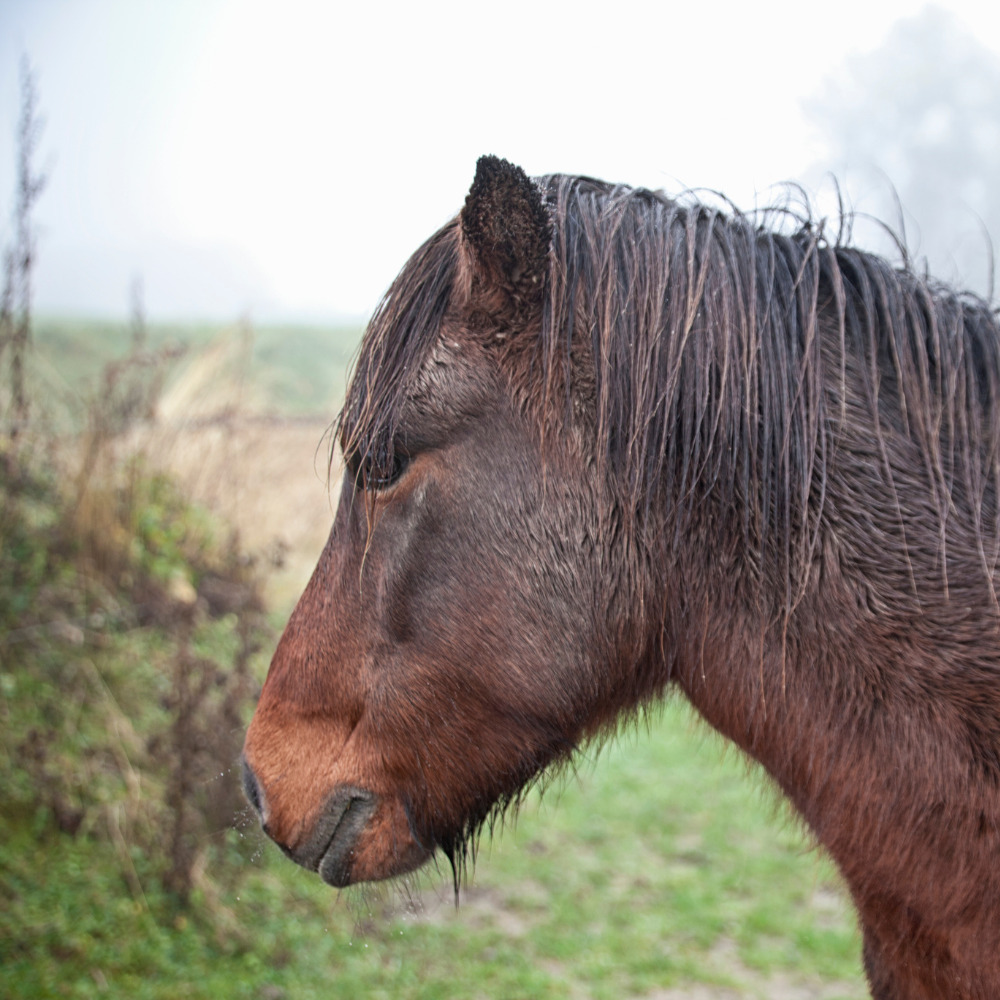
How to prevent colic in horses
When the rain settles in for what feels like eternity, most of us just grumble, grab another waterproof layer, and get on with it. Our horses, however, aren’t always quite so adaptable. Endless mud, fewer turnout hours, and routines that shift around the soggy forecast can all nudge their digestive systems off balance, raising the risk of a horse with colic more likely than we’d like to admit. It’s a reminder that while we’re battling frizzy hair and flooded gateways, they’re coping with their own version of wet‑weather woes.
As our horses routines are thrown off course, the risk of a horse with colic quietly rises and while we often associate colic in horses with dramatic symptoms, it can just as easily begin with something as simple as a week of relentless rain and a schedule that no longer runs like clockwork. Understanding how these seasonal shifts affect our horses is the first step in keeping them comfortable and healthy through these unpredictable challenges.
What is the most common cause of colic in horses? A horse with Colic is a term used to describe abdominal pain in horses and can range from mild discomfort to life-threatening emergencies. It is among the most common and serious equine health issues. Colic in horses can be caused by many factors, in this blog we guide you through various practices that you can apply to your daily routine, helping your horse stay comfortable through the wet weather and helping to reduce the colic risks that are common during weather influenced challenges.
Keep routines consistent
Easier said than done during the recent non-stop downpours but horses thrive on predictability. Try to keep feeding times, turnout, and exercise as close to normal as the weather allows. Team up with your liveries and help each other manage routines as best as you can to help reduce stressful distruptions.
Maintain movement
If turnout is limited because the fields resemble soup, offer extra in‑hand walking or arena time. Gentle, regular movement helps keep the gut ticking along. Short, gentle in hand sessions or grooming breaks throughout the day add mental variety.
Ensure plenty of forage
Forage supports healthy digestion and keeps horses occupied when they’re stuck inside. Little and often is ideal. Use small hole haynets or double netting to make forage last longer. Offer multiple small piles around the stable to encourage natural foraging behaviour.
Boredom busters
Treat balls, lickable toys, and puzzle feeders can keep a horse occupied for ages. Toys and licks in the stable will help as a distraction and don’t forget that toys can also be used in the outdoor/indoor arena turning turnout into playtime too! A sturdy cardboard box stuffed with hay, paper, and a few treats gives them something they’re allowed to shred. Surprisingly satisfying for them.
Watch water intake
Horses often drink less in cold weather, which can quietly increase the risk of dehydration. Offering slightly warmed water can make it more appealing, and adding a hint of flavour — such as a splash of soaked haylage water or even a herbal tea bag — can tempt fussier drinkers. Wet, sloppy mashes are another great option; not only do they feel like a comforting treat on chilly days, but they also sneak in extra hydration without the horse even realising. Small tweaks like these help keep fluid intake steady when the temperature drops and routines shift.
Avoid sudden feed changes
If you need to adjust the diet because turnout is reduced, do it as gradually as possible. Sudden changes can unsettle the digestive system.
Keep an eye on stress levels
Weather‑related routine changes can make some horses anxious, which can also affect gut health. Calm, consistent handling helps keep everything steady.
Monitor them closely
Wet, cold weeks are a good time to be extra observant — changes in behaviour, appetite, or droppings can be early signs that something isn’t quite right, and those small shifts often show up long before anything dramatic does. A horse that seems a little quieter than usual, leaves a bit more hay behind, or produces droppings that look different from their normal “pattern” might simply be reacting to the weather and routine changes, but it’s still worth paying attention as these can be signs of colic in horses .
These subtle clues are your first hint that their digestive system might be feeling the strain of the season and acting on these may well help prevent your horse with colic symptoms and prevent future issues.
By keeping an eye on routines, making small adjustments when the forecast refuses to cooperate, and listening to the subtle ways our horses tell us they’re not quite themselves, we can help them stay comfortable through even the soggiest spells. The rain may be unavoidable, but a horse with colic doesn’t have to be.




0 Comments