
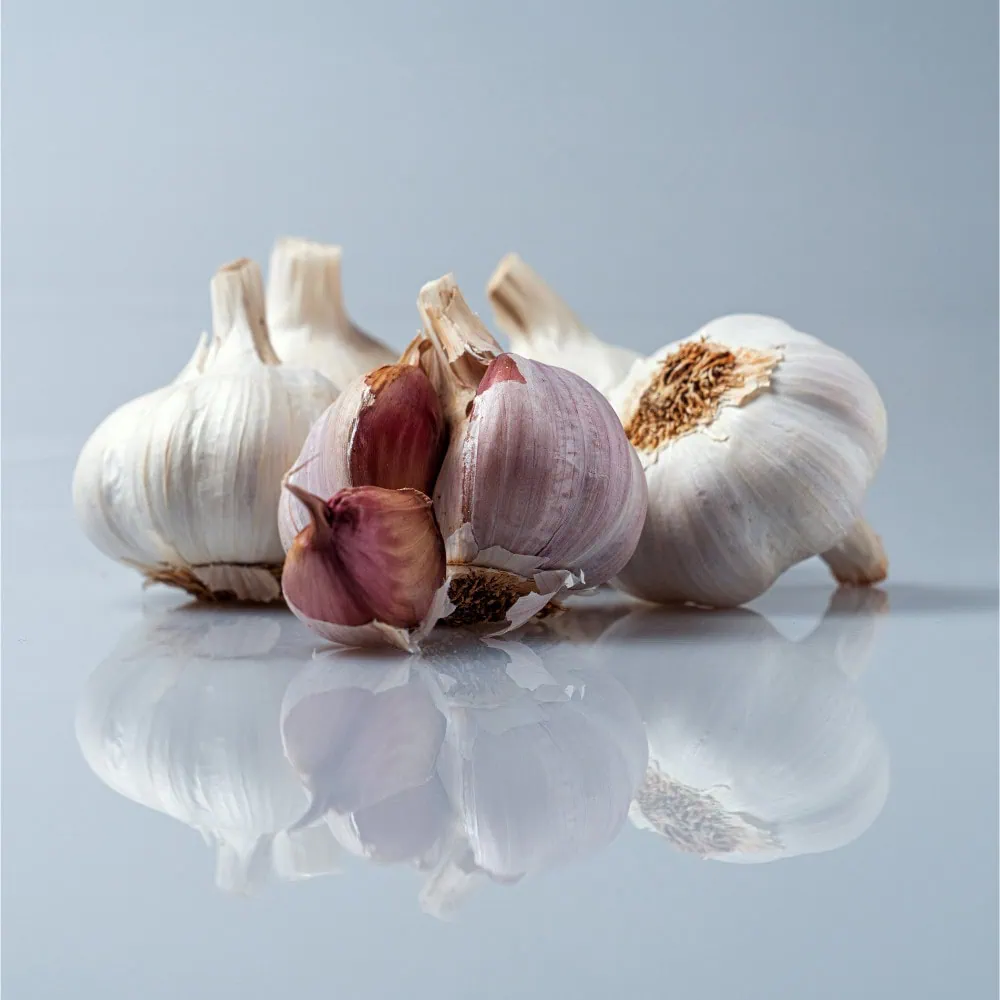
Garlic for Horses
Garlic, with its pungent aroma and storied history, has long been considered a beneficial supplement not only for humans but also for animals, including horses. For centuries, horse owners and caretakers have turned to garlic for horses as a natural aid for various aspects of equine health, valuing its reputed powers and the sense of invigoration it brings to the stable. Yet, as with any natural supplement, the use of garlic for horses is accompanied by both enthusiastic support and measured caution.
Historical Use of Garlic in Horse Care
Garlic’s journey as a medicinal and culinary staple stretches back thousands of years. Feeding garlic for horses In equine care, historical records and anecdotal evidence suggest that horsemen in ancient cultures would add garlic to feed, believing it to ward off pests, improve vitality, and support overall health. Garlic’s fiercely aromatic compounds were seen as a guardian against ill winds and malaise, and its inclusion in feeding regimens was often ritualistic—a token of care as much as a remedy.
Nutritional Composition of Garlic
Garlic’s power lies in its chemistry. The bulb is rich in sulfur compounds, vitamins, minerals, and antioxidants. Key constituents include:
- Allicin: The principal bioactive compound, released when garlic is crushed or chopped. It provides antimicrobial properties and is responsible for garlic’s signature smell.
- Sulfur compounds: Such as diallyl sulfide and ajoene, which contribute to garlic’s health-boosting effects.
- Vitamins: Garlic contains vitamin C, B6, and smaller amounts of other B-vitamins.
- Minerals: Selenium, manganese, calcium, iron, and potassium are present in modest quantities.
- Flavonoids and polyphenols: These antioxidants help protect cells from oxidative damage.
Potential Benefits of Garlic for Horses
While scientific studies on garlic’s effects in equines are limited compared to research in humans or other livestock, its application in horse care covers several domains:
1. Natural Insect Repellent
One of the most widely-cited uses of garlic for horses is its apparent ability to repel flies and other insects. It is believed that the sulfur compounds excreted through the horse’s sweat and breath create an environment less attractive to pests. This effect offers a natural alternative to synthetic repellents, especially during peak insect seasons.
- Many horse owners report fewer flies congregating around horses fed garlic supplements.
- Reduced pest irritation may lead to calmer horses and fewer skin conditions associated with biting insects.
2. Immune System Support
Garlic is celebrated for its antimicrobial and antiviral properties. In horses, it is used to support immune function and help manage respiratory conditions.
- Allicin and related compounds may help fend off infections and reduce the severity of minor colds or coughs.
- Some caretakers use garlic to help horses recover during periods of stress or after illness.
3. Respiratory Health
The volatile oils in garlic are believed to clear nasal passages and promote easier breathing. This is particularly valued during the dusty months or in stables with poor ventilation.
- Garlic is sometimes offered to horses with mild respiratory issues, such as cough or congestion, providing relief through its expectorant properties.
4. Cardiovascular Health
Though research in horses is sparse, studies in other species suggest garlic may support cardiovascular health by promoting circulation and reducing blood pressure.
- Garlic’s antioxidants help safeguard blood vessels from oxidative damage.
- Sulfur compounds in garlic may aid in maintaining healthy blood flow.
5. Digestive Aid
Garlic has a history of use as a digestive tonic. Its antibacterial action may help maintain a healthy balance of gut flora. Prebiotic Power: Garlic contains fructans—non-digestible carbohydrates that act as prebiotics. These feed beneficial bacteria like Bifidobacteria and Lactobacilli, promoting a more balanced and diverse gut microbiome
- Owners sometimes use garlic to stimulate appetite in finicky horses.
- It may aid in reducing gas and bloating, though care should be taken not to disrupt beneficial bacteria.
6. Support for Joint and Muscle Health
While not a replacement for conventional treatments, garlic’s anti-inflammatory properties may contribute to comfort in older or active horses.
- Some anecdotal reports suggest that horses fed garlic exhibit improved mobility and reduced stiffness.
Considerations and Cautions
Despite its many reputed benefits, garlic must be used responsibly. Over-supplementation can lead to health risks, most notably Heinz body anemia—a condition marked by damage to red blood cells that can occur if horses consume excessive amounts of garlic over time.
- Recommended doses vary, but most equine nutritionists advise no more than 15–30 grams of dried garlic per day for an average-sized horse.
- Fresh garlic is more potent and should be measured carefully.
- Symptoms of garlic toxicity include lethargy, weakness, jaundice, and discoloured urine. Immediate veterinary attention is necessary if these symptoms appear.
Forms and Administration
Feeding Garlic for horses is available in many forms, including:
- Dried granules or powder: Easiest to measure and mix with feed.
- Fresh cloves: More potent, but harder to dose accurately.
- Liquid extracts: Designed for convenience and palatability.
Care should be taken to introduce garlic gradually, monitoring the horse’s response and adjusting dosage as needed.
Scientific Evidence and Ongoing Research
Modern science increasingly calls for rigorous, controlled studies to validate the traditional claims about garlic’s benefits in horses. Some research supports its antimicrobial, anti-inflammatory, and insect-repellent properties, but equine-specific trials are limited. Veterinary professionals recommend using garlic as a supplement, not a replacement for proven medical treatments.
Garlic, with its rich tapestry of myth and science, remains a popular supplement in the world of horse care. Its potential benefits span from repelling nuisance insects to supporting immune and respiratory function, yet it demands a careful, informed approach. By balancing the wisdom of tradition with the insights of modern research, horse owners can make the best use of garlic’s gifts, enriching the lives of their equine companions while safeguarding their well-being. Always consult with equine professionals before introducing new supplements, and remember: in the realm of horse health, moderation and mindfulness are key.
