
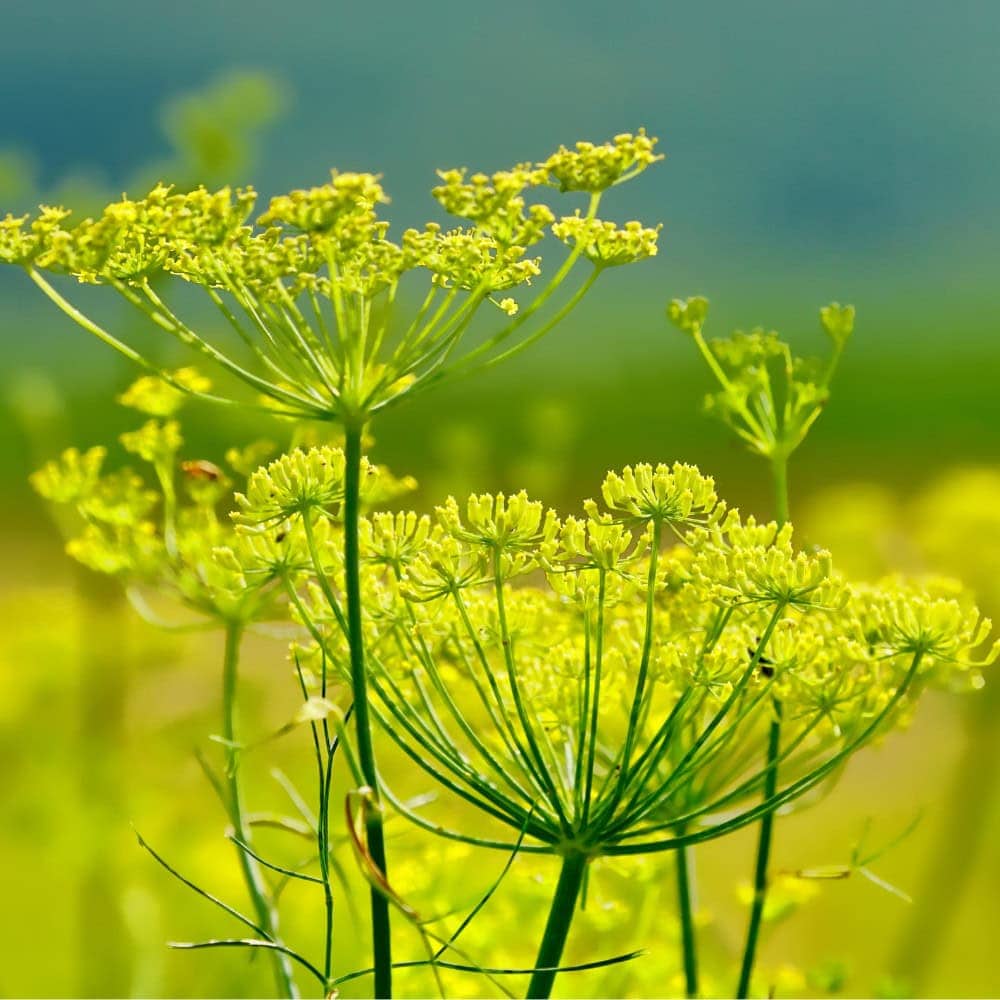
Fennel for horses
Horses, as grazing animals, rely heavily on the smooth functioning of their digestive systems for optimal health and performance. The equine digestive tract is sensitive, making it susceptible to various disturbances such as colic, gas, and indigestion. Recent years have seen a growing interest in natural and herbal remedies to support equine digestive health, and among these, fennel (Foeniculum vulgare) has drawn significant attention. Revered for centuries in both human and animal herbalism, fennel for horses offers a suite of properties that can benefit the equine digestive system. This comprehensive discussion will delve into the history, properties, benefits, applications, and safety considerations of using fennel for horses’ digestion.
Understanding Fennel: Origins and Properties
Fennel is a hardy perennial herb native to the Mediterranean, but it is now grown widely across Europe, Asia, and North America. Its delicate, feathery leaves, yellow flowers, and aromatic seeds have long been valued for culinary and medicinal purposes. Traditionally, fennel for horses has been used to aid digestion, alleviate bloating, and reduce gas—qualities that have found their place in equine management as well.
The main bioactive compounds found in fennel include:
- Anethole: A potent aromatic compound with carminative and anti-inflammatory properties.
- Fenchone and Estragole: Both contribute to fennel’s distinctive aroma and support smooth muscle relaxation.
- Flavonoids: Antioxidants that help counteract oxidative stress.
- Volatile oils: These are responsible for fennel’s soothing effects on the gastrointestinal tract.
Why Digestive Health Matters in Horses
The horse’s digestive tract is uniquely designed for constant grazing rather than periodic meals. Unlike ruminants, horses have a single-chambered stomach, making them prone to digestive upsets if their feeding patterns or diet are disrupted. Common gastrointestinal issues in horses include:
- Colic (abdominal pain of various causes)
- Bloating and gas build-up
- Indigestion and poor nutrient absorption
- Changes in stool consistency (diarrhoea or constipation)
- Gastric ulcers
Factors such as stress, sudden dietary changes, and lack of forage can exacerbate these problems. Therefore, maintaining digestive equilibrium is a core aspect of equine care.
Usage
Fennel’s Mechanisms of Action in Equine Digestion
Fennel supports the digestive tract of horses through several complementary mechanisms:
Carminative Effects
Fennel is renowned for its carminative properties—meaning it helps prevent and relieve flatulence. The essential oils in fennel, especially anethole, work to relax smooth muscles in the gut, reducing spasms and allowing gas to move more freely through the intestines. This is particularly valuable for horses, as excessive gas can lead to discomfort, bloating, and even colic.
Stimulation of Digestive Secretions
Fennel encourages the production of saliva, gastric juices, and bile, all of which are essential for efficient digestion. By enhancing digestive fluid secretions, fennel helps to break down feedstuffs more thoroughly, improving nutrient absorption and reducing the risk of indigestion.
Anti-inflammatory and Antimicrobial Properties
The volatile oils in fennel possess both anti-inflammatory and mild antimicrobial actions. This means fennel may help soothe minor gut irritations and maintain a healthier balance of gut microflora, which is crucial for horses, especially those under stress, on antibiotics, or recovering from illness.
Antioxidant Support
Through its flavonoid content, feeding fennel for horses provides antioxidant benefits that protect the digestive tissues from oxidative damage, supporting their overall resilience and function.
Practical Applications: How to Use Fennel for Horses
Fennel can be offered to horses in several forms, depending on the desired effect and the preference of both horse and caretaker.
- Whole seeds: The dried seeds can be mixed into feed, typically at a dose of 5–10 grams daily for an average adult horse. The seeds can be crushed lightly to release more of their essential oils.
- Powdered fennel: Available from herbal suppliers, this can be sprinkled on feed or mixed into mash.
- Fennel tea or infusion: A tea made by steeping crushed seeds in hot water can be cooled and poured over feed.
It is important when introducing fennel for horses to introduce gradually, observing your horse for any changes in appetite or stool consistency. Horses generally find fennel palatable due to its sweet, aromatic flavour.
Blending with Other Digestive Herbs
Fennel’s effects can be enhanced when combined with other gentle digestive herbs such as, slippery elm (for soothing the digestive lining).Such blends are often used for horses prone to mild colic, gas, or stress-induced digestive upset.
Science
Scientific Evidence and Traditional Wisdom
While much of fennel’s reputation in equine circles is rooted in traditional herbal practice, scientific studies in other animals and humans support its carminative, anti-inflammatory, and digestive-stimulating actions. Feeding fennel to horses, empirical reports and the experience of equine herbalists note improvements in appetite, reduction in flatulence, and a general calming of the digestive tract following fennel supplementation.
Case Reports and Anecdotal Evidence
Owners and therapists often testify to the following benefits:
- Quicker recovery from mild digestive upsets
- Reduced gassiness and bloating during feed changes
- Improvement of mild chronic indigestion
- Enhanced appetite in finicky eaters
Nevertheless, it is essential to remember that herbal supplements are not a replacement for veterinary care, especially in cases of colic or persistent digestive problems.
Conclusion: Fennel as a Valuable Ally for Equine Digestive Health
Fennel for horses stands out as a gentle yet effective herbal option for supporting digestive harmony in horses. Its carminative, antispasmodic, and digestive-stimulating properties align beautifully with the needs of the equine gut, especially in today’s world where stress, travel, and feed changes are common. When used responsibly—following proper dosing and sourcing—fennel can be a safe addition to the equine dietary toolkit, helping horses thrive with comfort and vitality. As always, a holistic approach that includes proper nutrition, regular exercise, and veterinary care will provide the best outcomes.
In the ongoing quest for equine wellness, fennel offers a time-honoured, naturally aromatic way to safeguard the delicate symphony of digestion—helping horses flourish from the inside out.
Looking for a fennel supplement? Colikare.
